
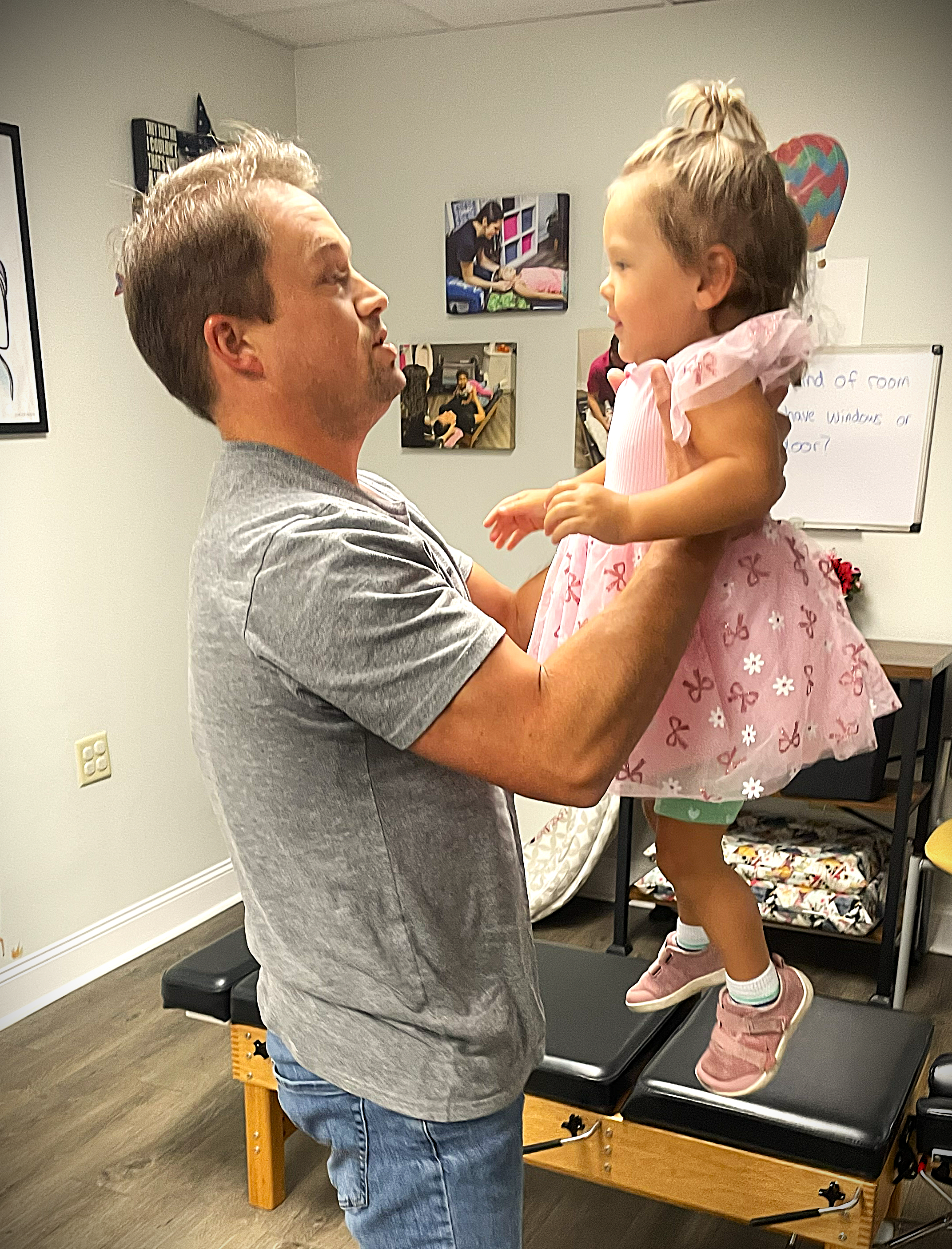
One day, your child is just... themselves.
Then suddenly, something changes.
Maybe tics appear seemingly out of nowhere. Obsessive thoughts or compulsive behaviors begin taking over their day. Your normally independent child suddenly can't tolerate being away from you. Rage, anxiety, sensory sensitivities, sleep problems, or emotional changes seem to appear almost overnight.
You've been to the pediatrician. Maybe you've seen a neurologist, psychiatrist, therapist, or several different specialists. You may have heard words like Tourette syndrome, OCD, ADHD, anxiety, or behavioral disorder.
But you keep coming back to the same thought:
This isn't my child. Something changed.
For some families, that dramatic change happens following strep or another illness. Eventually, two unfamiliar acronyms enter the conversation: PANS and PANDAS.
If this sounds like your family's story, understanding what may be happening with both the immune system and the nervous system can be an important part of finding a path forward.
What Are PANS and PANDAS?
PANDAS stands for Pediatric Autoimmune Neuropsychiatric Disorders Associated with Streptococcal Infections. PANS stands for Pediatric Acute-onset Neuropsychiatric Syndrome.
PANDAS is specifically associated with a streptococcal infection, such as strep throat or scarlet fever. PANS is the broader syndrome and can be associated with different infections, immune-system disturbances, or environmental factors. Researchers are still working to understand the exact mechanisms involved.
One of the biggest clues is how quickly the symptoms appear.
With many childhood behavioral or developmental conditions, parents can look back and recognize patterns that developed gradually. PANS and PANDAS can look very different. Symptoms may reach full intensity within just a few days.
Parents may suddenly notice obsessive or compulsive behaviors, severe anxiety, restrictive eating, motor or vocal tics, intense separation anxiety, emotional volatility, aggression, sleep problems, urinary changes, sensory sensitivities, developmental regression, changes in handwriting, or a dramatic decline in school performance.
It can genuinely feel as though someone flipped a switch.
How Common Are PANS and PANDAS?
The exact prevalence is still unknown. The National Institute of Mental Health considers PANS and PANDAS rare conditions and notes that we do not yet know their true prevalence.
However, the PANDAS Network estimates that approximately 1 in 200 children in the United States may experience PANS or PANDAS. Their estimate is based on their own research and population analysis, so it should be understood as an estimate rather than an established national prevalence rate.
Regardless of the exact number, for the families living through it, the experience is very real—and often incredibly disruptive.
Why This Isn't "Just" a Strep Infection
If PANDAS were simply about having strep, every child who gets strep would experience the same neurological reaction.
They don't.
Strep infections are extremely common in childhood, while PANDAS is not. Even having strep alongside OCD or tics does not automatically mean a child has PANDAS. The relationship between the infection and the abrupt onset or worsening of symptoms is an important part of the diagnostic picture.
So why does one child's body handle an infection, recover, and return to baseline while another child's entire world seems to turn upside down?
There probably isn't one simple answer.
Researchers continue to investigate immune susceptibility, genetics, infection history, inflammation, environmental factors, and other biological mechanisms. In PANDAS, one leading theory involves an immune response to strep that mistakenly reacts with healthy tissue, including areas of the brain.
At New Hope Chiropractic, we are also very interested in another part of that picture:
How well was this child's nervous system regulating and adapting before the infection ever arrived?
The "Perfect Storm" Behind the Flare
Families who come into New Hope with complex neurological conditions often tell us a story that didn't actually begin with the most recent diagnosis.
When we go back through their child's history, there may have been signs that their system was struggling long before the major flare.
Maybe infancy included colic, reflux, constipation, torticollis, difficulty sleeping, or feeding challenges. As the child grew, perhaps sensory sensitivities, anxiety, difficulty with transitions, frequent illness, emotional dysregulation, or an inability to settle became more noticeable.
There may also have been stressors along the way: a highly stressful pregnancy, a difficult or assisted birth, repeated illnesses, antibiotic exposure, injuries, disrupted sleep, or other physiological stress.
At New Hope, we sometimes refer to the accumulation of these stressors as the Perfect Storm.
That does not mean a C-section, antibiotics, birth intervention, or nervous-system dysregulation causes PANS or PANDAS. These conditions are complex, and research has not established one single cause.
But we believe the child's neurological foundation matters.
When a nervous system is already struggling to shift appropriately between stress and recovery, another significant stressor—such as an infection and the immune response that follows—can become a much bigger challenge for that child to adapt to.
We sometimes explain it to parents this way:
The infection may be the spark, but the nervous system may influence how well the body adapts to the fire.
That is why nervous-system regulation is not a side note in the way we approach these complex children at New Hope.
The Nervous System and Immune System Aren't Separate
The nervous system and immune system are constantly communicating.
Your autonomic nervous system helps regulate functions you don't consciously control, including heart rate, breathing, digestion, circulation, sleep, stress responses, and recovery. There is also extensive communication between the brain, autonomic nervous system, endocrine system, and immune system.
This is where the concept of dysautonomia becomes especially important in our office.
We often explain the autonomic nervous system using the analogy of a car.
The sympathetic nervous system is like the gas pedal. It helps activate the body when something requires attention or action. That's a healthy and necessary response.
The parasympathetic nervous system functions more like the brake pedal, supporting rest, digestion, recovery, and a return toward baseline.
We don't want a child to live entirely on the brake pedal. We need both.
What we want is flexibility and adaptability.
The body should be able to press the gas when it encounters a stressor—whether that's an infection, a difficult day at school, an injury, or emotional stress—and then appropriately return toward baseline when the threat has passed.
When that doesn't happen efficiently, a child may remain stuck in a state of heightened neurological stress.
And for the child experiencing PANS or PANDAS, whose immune and neurological systems are already navigating an enormous challenge, we believe that ability to regulate, adapt, and recover deserves attention.
Why PANS and PANDAS Can Feel Like a Rollercoaster
Another hallmark of PANS and PANDAS is that symptoms can wax and wane.
A child may improve significantly and then suddenly flare again. With PANDAS, another strep infection may be associated with worsening symptoms. NIMH describes these as episodic disorders because symptoms may disappear for extended periods and later reappear.
For parents, this can be exhausting.
You think you've turned a corner. Then another illness comes through the house, school becomes stressful, sleep falls apart, or something else changes—and suddenly you're watching symptoms intensify again.
That's one reason our conversations with families aren't limited to, "How do we make this tic stop?"
We want to know:
How much capacity does this child's nervous system have? How well can it adapt when stress arrives? And how effectively can it return toward regulation afterward?
For New Hope, those questions are foundational.
Why Families Often Need More Than One Kind of Care
PANS and PANDAS are complex conditions, and children with suspected PANS or PANDAS need appropriate medical evaluation.
There is no single laboratory test that definitively diagnoses either condition. Diagnosis involves evaluating the child's symptoms and history while ruling out other possible explanations. For PANDAS, evidence connecting the symptom onset or flare to strep is also part of the diagnostic criteria.
Depending on the child, a care team may include a pediatrician, neurologist, psychiatrist, immunologist, infectious-disease specialist, therapist, or another clinician experienced with PANS and PANDAS.
Medical treatment can also be important. When active strep infection is confirmed in a child with PANDAS, antibiotics are generally used to treat that infection. Cognitive behavioral therapy and certain medications may help manage OCD, anxiety, tics, and other neuropsychiatric symptoms. More intensive immune therapies may be considered medically for certain severe cases.
We aren't interested in replacing those pieces.
We're interested in the piece that may be missing from the team.
A Different Question: How Is the Nervous System Functioning?
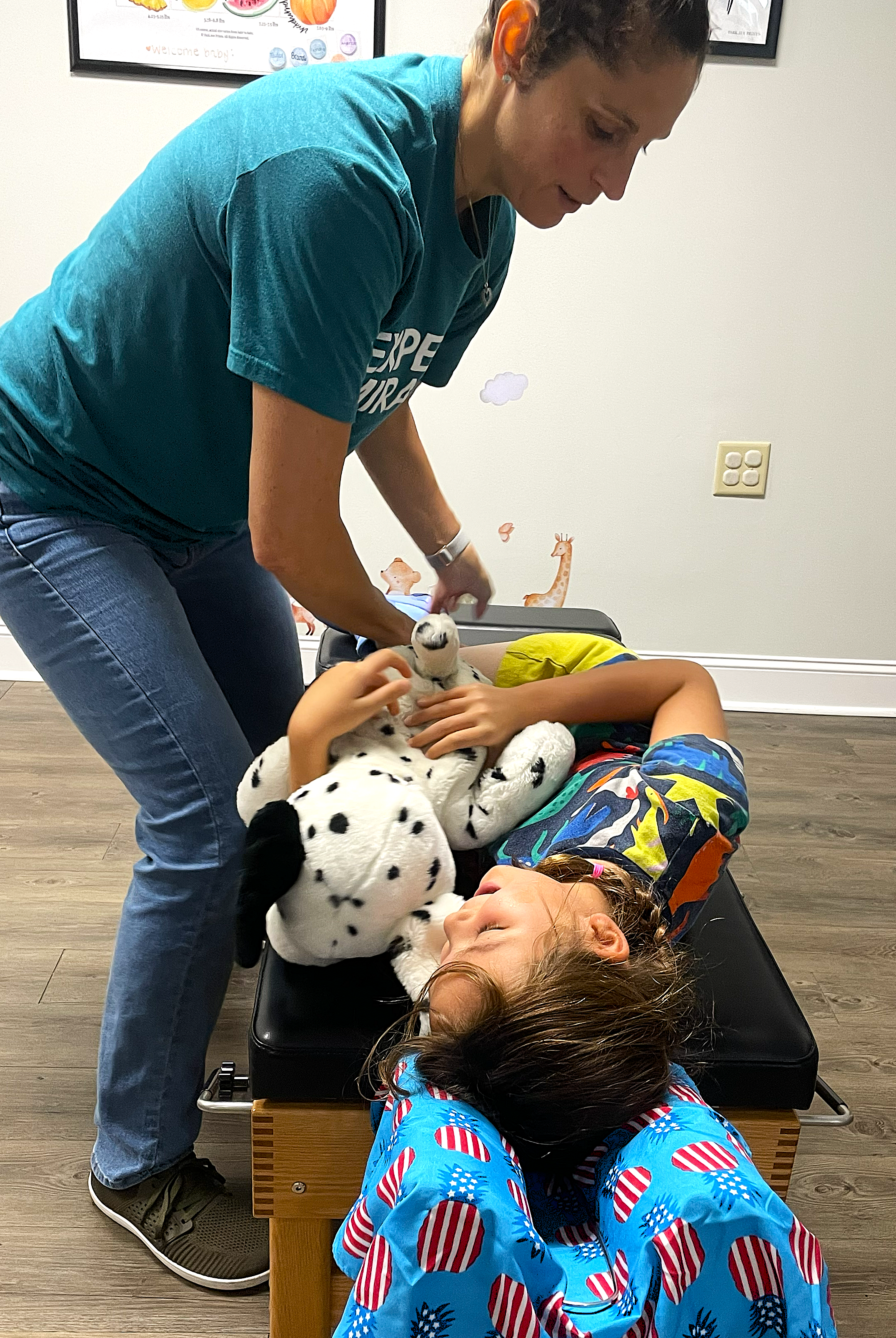
This is where Neurologically Focused Chiropractic Care enters the conversation at New Hope.
We aren't asking:
"How can we treat PANDAS with an adjustment?"
Chiropractic care does not treat the strep infection itself, and we do not diagnose or claim to cure PANS or PANDAS.
We're asking something different:
"What is this child's nervous system doing underneath all of this, and how well is it able to regulate, adapt, and recover?"
For a child already struggling with dysautonomia and chronic sympathetic stress, we believe improving the neurological foundation can be an important complementary part of the bigger care plan.
This is why we focus on the neurospinal system, rather than simply looking for a "bone out of place." We evaluate patterns of neurological stress and tension that may be interfering with the nervous system's ability to function and adapt efficiently.
And importantly, we don't want to guess.
We measure.
Neurological INSiGHT Scans: Looking Beneath the Symptoms
At New Hope Chiropractic, we use Neurological INSiGHT Scans to objectively evaluate patterns related to nervous-system stress, tension, coordination, and adaptability.
These scans don't diagnose PANS, PANDAS, OCD, Tourette syndrome, ADHD, anxiety, infection, or autoimmune disease.
They're looking at another piece of the puzzle.
Our Heart Rate Variability (HRV) assessment gives us information about autonomic adaptability and the balance between activation and recovery.
Our NeuroSpinal EMG evaluates electrical activity associated with the muscles supporting the spine, allowing us to see patterns of muscular tension, energy use, and coordination.
Our NeuroThermal Scan measures temperature patterns along the spine that can be influenced by autonomic regulation.
We combine those findings with the child's complete history, examination, current challenges, and family goals.
For a child who seems to go from 0 to 100 and stay there—or whose system seems to completely unravel with each new stressor—this gives us objective information about the neurological side of the picture.
Where Neurologically Focused Chiropractic Care Fits
When our examination and scans indicate that chiropractic care is appropriate, we use gentle, specific adjustments to address neurospinal stress and support healthier nervous-system function.
The goal isn't to "adjust away" PANDAS.
The goal isn't to suppress a tic.
And the goal isn't to replace antibiotics, therapy, immunology, neurology, psychiatry, or another part of the child's medical team.
The goal is to support the neurological foundation underneath it all.
We want the nervous system to have greater capacity to regulate, adapt, and recover.
As care progresses, we're interested not only in the symptoms that originally brought the family in, but in the child's overall ability to handle life. We may track sleep, digestion, emotional regulation, sensory tolerance, focus, energy, transitions, resilience, and recovery after stressful situations.
We also periodically repeat Neurological INSiGHT Scans so we can compare objective findings over time instead of relying solely on how the child happens to feel on one particular day.
For a condition known for its ups and downs, that objective information can be especially valuable.
Your Child Doesn't Need Another Label. They Need a Bigger Picture.
By the time many PANS and PANDAS families find us, they've already accumulated a long list of labels.
OCD. Anxiety. ADHD. Tics. Tourette syndrome. Sensory Processing Disorder. Behavioral problems.
Some of those diagnoses may be appropriate and useful.
But parents often know there is a larger story connecting what they're seeing.
That's why we encourage families to keep asking questions.
When did this begin? How quickly did it happen? What was happening before the flare? Was there an infection? How is your child sleeping? How is their digestion? What happens to their symptoms when they're sick, tired, overwhelmed, or stressed? How quickly can they recover after something pushes them over the edge?
And importantly:
What is their nervous system telling us?
For New Hope, that is not an afterthought. It is one of the central questions.
You Don't Have to Choose Between Medical Care and Nervous-System Care
If your child has experienced a sudden onset of OCD, restrictive eating, tics, extreme anxiety, regression, major behavioral changes, or other significant neurological symptoms—especially following an illness—please seek an appropriate medical evaluation.
And if your child has already been diagnosed with PANS or PANDAS, continue working with the providers managing the infectious, immune, psychiatric, and medical pieces of their condition.
But that doesn't mean you have to stop asking what else could support them.
At New Hope Chiropractic in Charleston, South Carolina, our role is to evaluate the neurological foundation and determine whether nervous-system dysregulation and neurospinal stress may be another piece worth addressing.
Through a detailed history, examination, Neurological INSiGHT Scans, and gentle, individualized chiropractic care, we help families better understand how their child's nervous system is functioning and how well it is adapting to stress.
PANS and PANDAS can make families feel like they're constantly reacting to the next flare, the next symptom, or the next diagnosis.
We want to help you look at the bigger picture.
Because your child doesn't need to be reduced to another label.
They deserve a team that looks at the infection, the immune system, the symptoms, and the nervous system underneath it all.
Related Articles
The Missing Piece in Autoimmune and Chronic Inflammation in Kids
Dysautonomia and Chiropractic Care
The Health Test Your Pediatrician Isn't Running (But Should Be)
