
One of the biggest misconceptions about healthcare is that we should only care for the person who has symptoms.
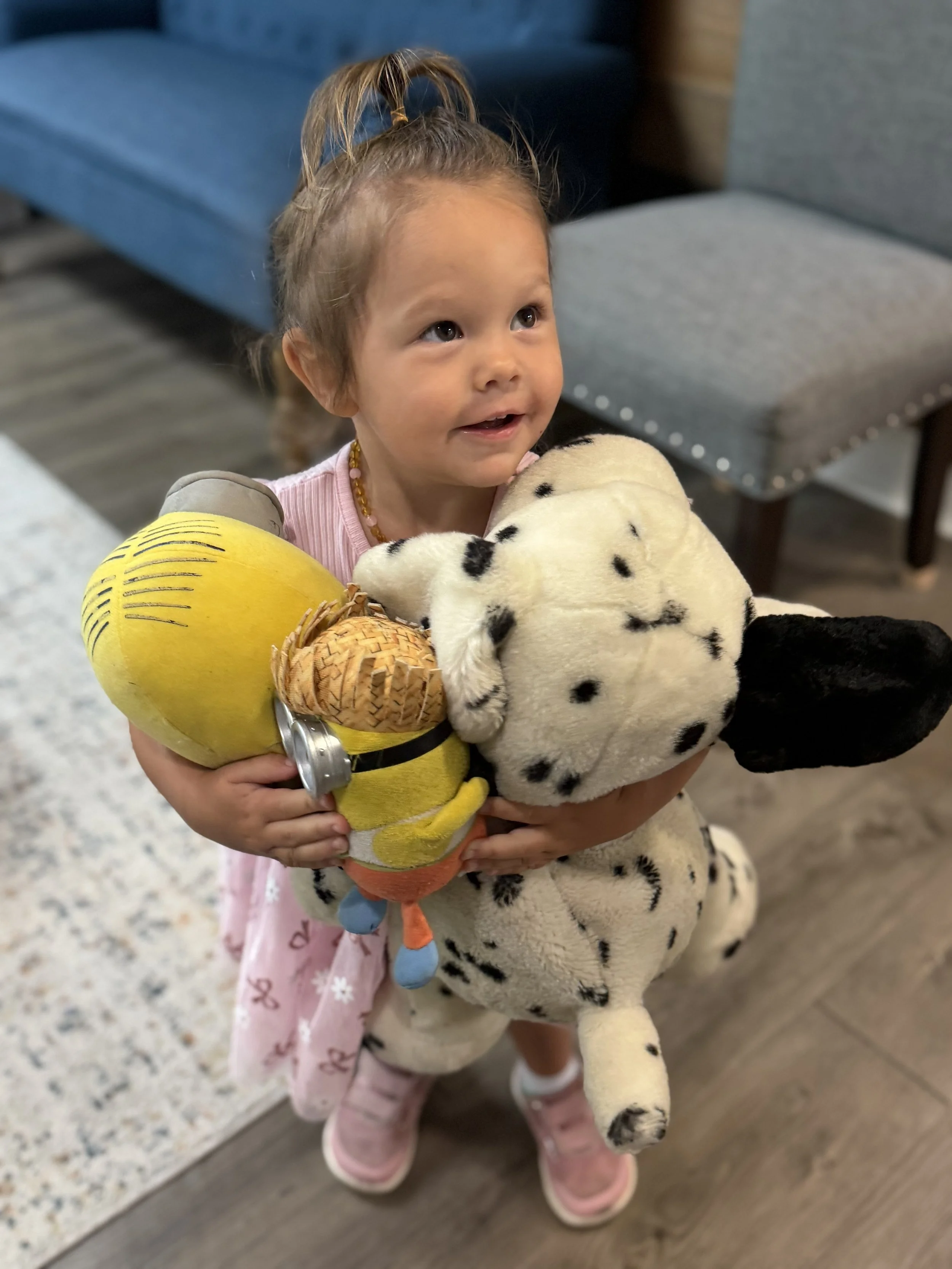
Your child has ear infections?
Treat the child.
Mom has headaches?
Treat Mom.
Dad has shoulder pain?
Treat Dad.
But families don't actually function that way.
At New Hope Chiropractic, we've learned something after caring for thousands of families over the years:
Healthy families aren't built one person at a time. They're built together.
Because while each family member has their own nervous system, those nervous systems are constantly influencing one another.
That's why we believe one of the greatest gifts parents can give their children is a healthy, well-regulated family.
Your Family Shares More Than a Last Name
Families share a lot.
They share meals.
They share routines.
They share homes.
They share vacations.
They share illnesses.
But they also share something most people never think about.
Their nervous systems.
Research continues to show that children are constantly reading and responding to the nervous systems around them. This process, called co-regulation, begins before birth and continues throughout childhood.
When one family member is overwhelmed by stress, everyone feels it.
When one family member becomes more calm and regulated, everyone benefits.
This isn't about blame.
It's biology.
Your family's nervous systems are connected in remarkable ways.
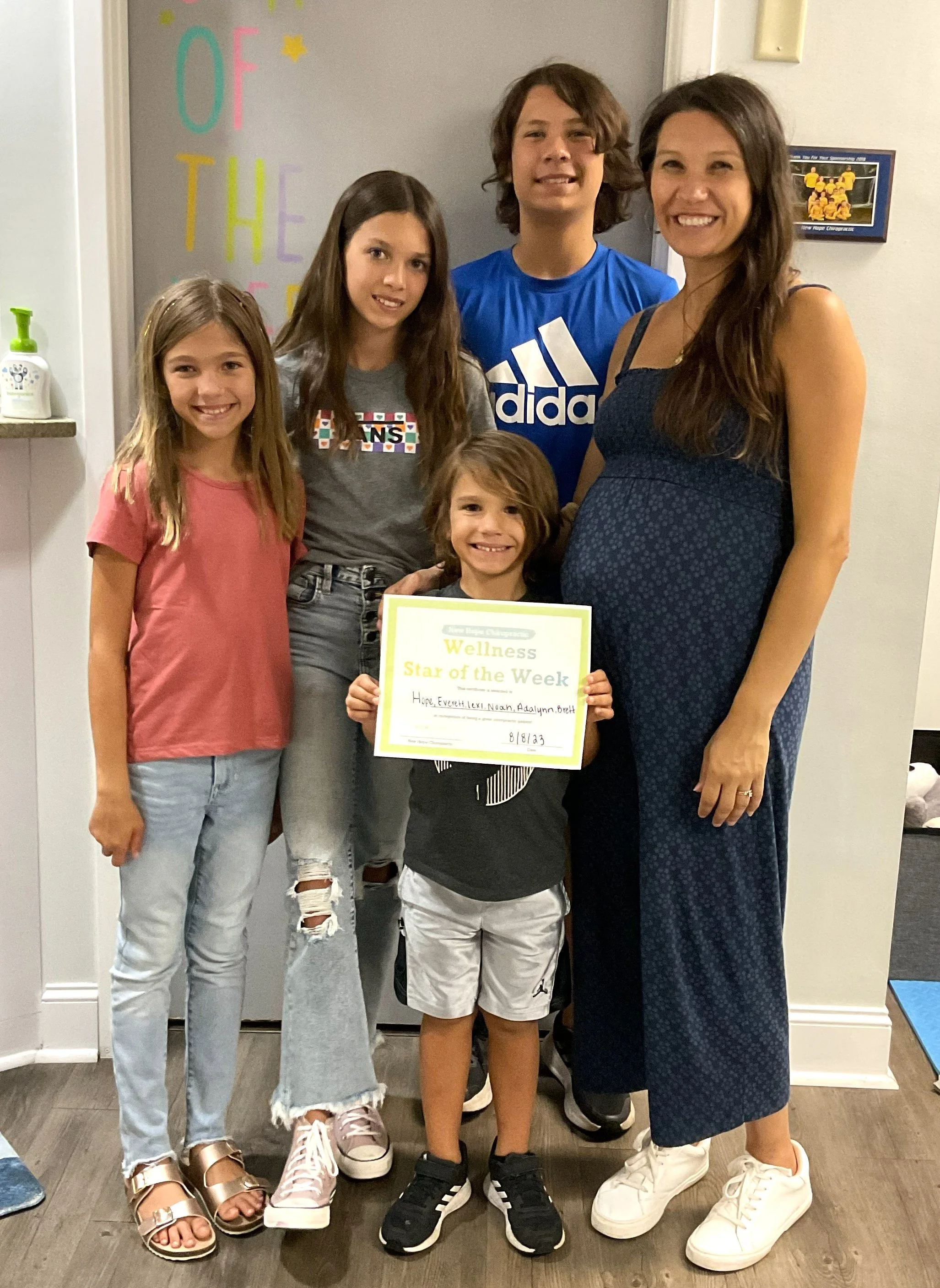
Meet a Wellness Family
This family is one of our favorite examples of Family Wellness Care.
Their journey didn't begin with everyone receiving care.
It started with one little boy.
Noah first came to New Hope Chiropractic because he struggled with recurring ear infections.
As his nervous system became healthier, his family began seeing something they hadn't expected.
They realized chiropractic wasn't just about helping one problem.
It was about helping the body function better.
Soon after, Lexi started care to support focus and attention.
Then Addie and Everett joined the practice simply to support healthy growth, development, and overall wellness.
Eventually, Mom—Hope—decided it was her turn.
Years of caring for everyone else had left her carrying significant stress and neck tension. As her nervous system became more regulated, she discovered something many parents experience:
When Mom feels better...
The entire home feels different.
Not long afterward, Dad—Brett—started care to address chronic shoulder pain and tension.
Today, every member of the family receives care.
We've had the privilege of caring for Hope throughout her fifth pregnancy, helping support her nervous system as baby Remi grew. And one of our favorite moments was welcoming baby Remi into Wellness Care shortly after birth.
Over the years we've watched this incredible family navigate illnesses...
Growth spurts...
Sports...
Accidents...
Busy school years...
Everyday family stress...
And even a significant car accident that affected the entire family.
Through each season of life, they didn't wait until someone was falling apart before seeking help.
They continued supporting their nervous systems proactively.
That's what Family Wellness Care looks like.
Not chasing symptoms.
Building resilience together.
Stress Never Stops
Many people think stress only means something traumatic.
A death.
A divorce.
Financial hardship.
But your nervous system experiences stress every single day.
Physical stress:
Falls
Sports
Poor posture
Car accidents
Pregnancy
Growth spurts
Chemical stress
Processed foods
Environmental toxins
Medications
Illnesses
Poor nutrition
Emotional stress:
School
Work
Relationships
Busy schedules
Anxiety
Lack of sleep
None of these are necessarily avoidable.
Life is going to happen.
The question isn't whether your family will experience stress.
It's whether everyone's nervous system has the capacity to adapt well to it.
Why We Scan the Whole Family
One of the most common questions we hear is,
"If my child feels fine, why would we scan them?"
Because symptoms are often one of the last signs that the nervous system is struggling.
Our Neurological INSiGHT Scans allow us to objectively evaluate how well each family member's nervous system is adapting to life's everyday stress.
We can often identify stress patterns before they become symptoms.
That gives us the opportunity to support healing proactively instead of reactively.
It's no different than going to the dentist before you have a toothache or checking your blood pressure before you have a heart attack.
Healthy families don't wait for problems.
They invest in staying healthy.
Thriving Is Better Than Surviving
Many families first come to our office because they're exhausted.
They're surviving.
One child isn't sleeping.
Another is struggling in school.
Mom is overwhelmed.
Dad's body hurts.
Everyone is simply trying to make it through the week.
Our hope is much bigger than helping one symptom disappear.
We want families to thrive.
To recover more quickly.
To handle stress more effectively.
To enjoy life together.
To build healthier nervous systems that continue serving them through every season of life.
That's the purpose of Family Wellness Care.
The New Hope Difference
At New Hope Chiropractic, we believe the healthiest families are proactive—not reactive.
Through regular Neurological INSiGHT Scans and gentle, Neurologically-Focused Chiropractic Care, we help every member of the family build resilience, improve adaptability, and support healthier nervous system function before stress becomes symptoms.
Because when one family member heals, everyone benefits.
When the whole family heals together…
Amazing things happen.
If you're ready to invest in your family's long-term health, we'd love to help.
Schedule your family's consultation today:
👉 https://www.newhopesc.com/schedule
Because your family deserves more than simply surviving life's challenges.
They deserve to thrive—together.
