
Why Missed Baby Milestones Are Nervous System Red Flags
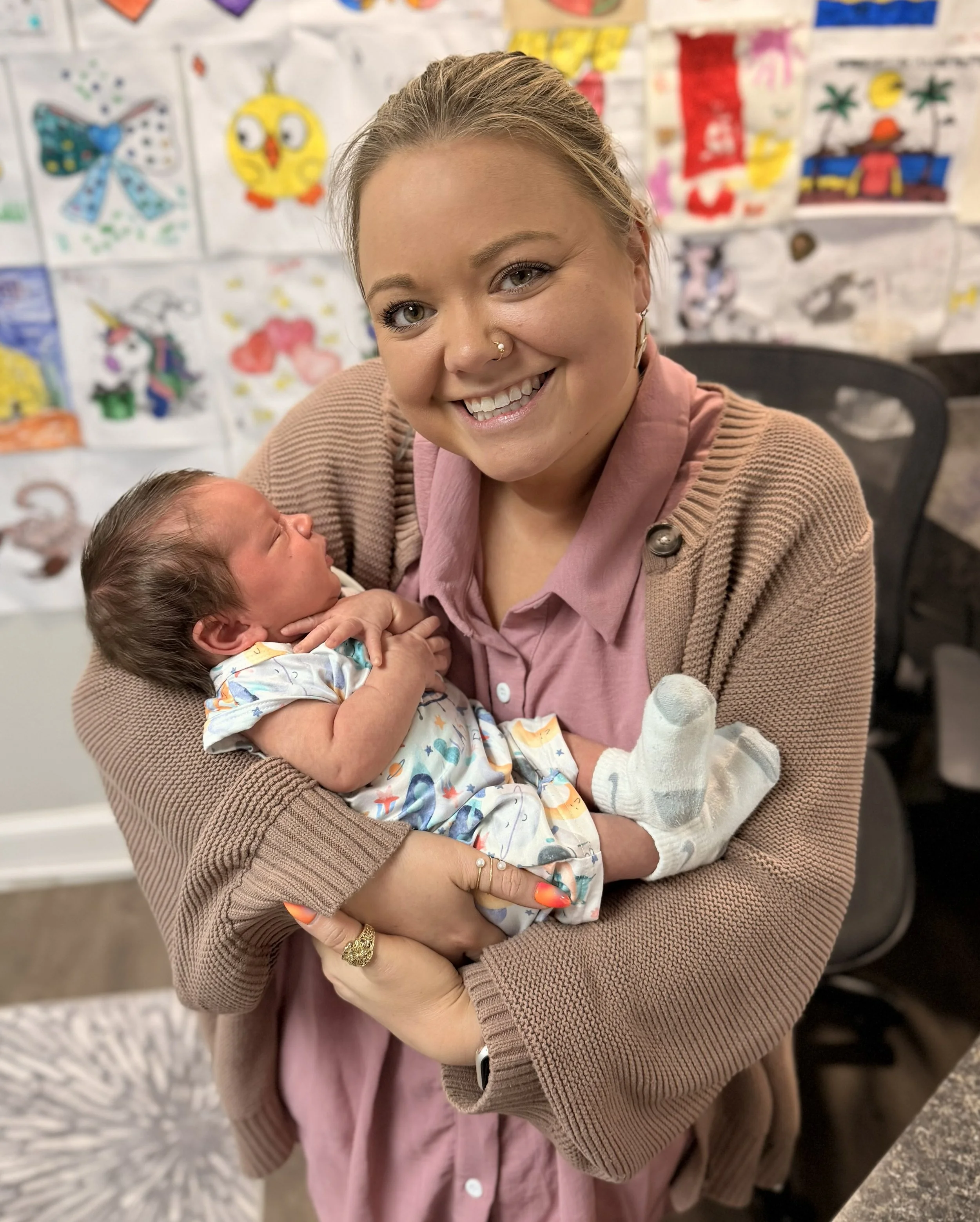
Your baby's first year of life is nothing short of extraordinary.
During this time, their brain will double in size and create more than one million neural connections every second. It is the most important window of neurological development they will ever experience.
Yet most parents are told to focus on a simple milestone checklist:
First smile.
First roll.
First crawl.
First steps.
And if something feels off?
The advice is often the same:
"Let's wait and see."
"They'll grow out of it."
But what if your baby is technically meeting milestones while their nervous system is struggling underneath?
What if the foundation is being built with hidden stress that no one is checking for?
At New Hope Chiropractic, we believe parents deserve to understand the full picture.
A Baby Can Meet Milestones and Still Be Struggling
One of the biggest misconceptions in pediatric development is that milestones are only about whether a child can do something.
But development is about much more than checking a box.
A baby may technically roll over at the expected age, but was the movement smooth, coordinated, and symmetrical?
A baby may begin walking on time, but were they able to crawl properly first?
A child can pass a developmental screening while still showing signs of nervous system stress that may impact future learning, behavior, emotional regulation, sleep, and overall health.
We hear parents say it all the time:
"I knew something wasn't quite right, but everyone kept telling me not to worry."
If that sounds familiar, trust your instincts.
Parents often notice subtle signs long before they show up on traditional evaluations.
Your Baby's Nervous System Is the Foundation for Everything
Every function in your baby's body is controlled by the nervous system.
Feeding.
Sleeping.
Digesting.
Moving.
Learning.
Regulating emotions.
Developing motor skills.
Everything starts with the brain and nervous system.
The first year of life is powered by neuroplasticity — your baby's incredible ability to form new neural pathways and adapt rapidly.
But while neuroplasticity creates opportunity, it also creates vulnerability.
When stress affects the nervous system early in life, development can be impacted in ways that aren't always immediately obvious.
What Is Subluxation?
Subluxation is neurological stress and interference within the neurospinal system.
It often develops from prenatal stress, birth stress, or early life challenges and can affect how the brain and body communicate.
What Is Dysautonomia?
Dysautonomia occurs when the autonomic nervous system becomes imbalanced.
Think of it as the body's gas pedal and brake pedal becoming stuck.
Instead of shifting smoothly between activity and recovery, the nervous system becomes trapped in stress mode.
When this happens, sleep, digestion, behavior, and development can all be affected.
Every Milestone Is a Neurological Test
Milestones are much more than developmental achievements.
They are windows into how the nervous system is functioning.
Feeding
Feeding is one of the first neurological tasks a baby performs.
Successful nursing and bottle feeding require coordination between multiple cranial nerves, muscles, and reflexes.
Difficulties with latching, sucking, reflux, or feeding often point to nervous system stress.
Head Control
Head control typically develops between 8 and 12 weeks.
This milestone tells us a great deal about communication between the brain, cervical spine, muscles, and posture systems.
Sleep Development
Many parents dread the "4-month sleep regression."
In reality, it often reflects a major period of neurological growth and reorganization.
Sleep patterns can reveal how well the nervous system is adapting and regulating.
Crawling
Crawling may be one of the most important neurological milestones of all.
It promotes communication between the right and left hemispheres of the brain, supports coordination, visual development, motor planning, and prepares the body for future learning.
When babies skip crawling entirely or crawl asymmetrically, it may indicate underlying neurological stress patterns worth evaluating.
The sequence of development matters.
It's not simply about when a milestone occurs.
It's about how the nervous system gets there.
The Perfect Storm That Can Affect Development
Many developmental challenges begin long before parents notice symptoms.
We call this accumulation of stressors "The Perfect Storm."
Prenatal Stress
Stress during pregnancy influences fetal nervous system development and can shape how a baby's stress response develops after birth.
Birth Stress
Even routine births place significant stress on a baby's head, neck, and nervous system.
Interventions such as inductions, forceps, vacuum extraction, prolonged labor, and C-sections can increase that stress.
Early Life Challenges
Sleep disruptions.
Feeding difficulties.
Antibiotic exposure.
Environmental stressors.
Overstimulation.
These challenges can continue adding stress to an already overwhelmed nervous system.
Over time, many babies become stuck in sympathetic dominance — a fight-or-flight state when they should be calm, regulated, and growing.
Why "Wait and See" Often Misses the Opportunity
Traditional developmental screenings are designed to determine whether milestones happen within a broad range of normal.
What they rarely assess is how well the nervous system is functioning.
A baby can compensate remarkably well.
They may pass screenings while still developing tension patterns, movement asymmetries, feeding challenges, sleep struggles, or sensory difficulties.
The concern isn't simply whether a milestone happens.
It's whether the nervous system has a healthy foundation underneath it.
And because neuroplasticity is highest during the first year of life, early support often creates the greatest impact.
How Neurologically-Focused Chiropractic Care Helps
At New Hope Chiropractic, our goal is not to wait for bigger problems to appear.
Our goal is to support healthy neurological development from the very beginning.
Using advanced Neurological INSiGHT Scans, we can assess how your baby's nervous system is functioning.
These scans are gentle, non-invasive, and provide valuable information about:
Nervous system stress patterns
Adaptability and resilience
Autonomic nervous system balance
Areas of neurological tension
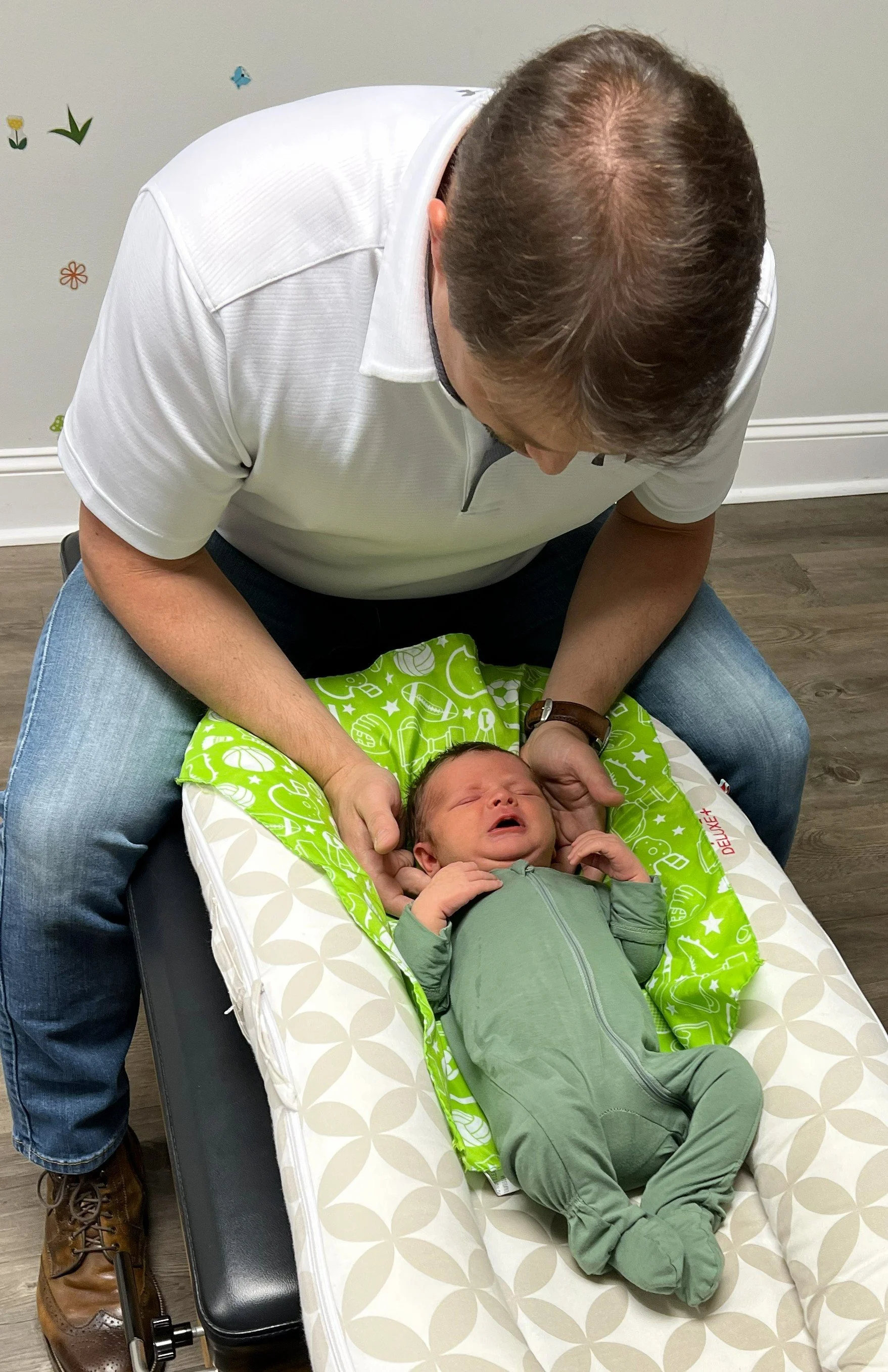
When stress patterns are identified, gentle neurologically-focused chiropractic adjustments help reduce interference and improve communication between the brain and body.
For infants, these adjustments use no more pressure than checking the ripeness of a tomato.
Many families notice improvements in:
Feeding
Sleep
Digestion
Comfort
Development
Emotional regulation
because the nervous system is finally able to function the way it was designed to.
The Foundation Is Being Built Right Now
Your baby's first year is about far more than checking developmental boxes.
It is the foundation for lifelong health, learning, behavior, and resilience.
If you have concerns about feeding, sleep, development, comfort, or milestones, trust your instincts.
You do not have to simply wait and see.
Schedule a consultation with our team at New Hope Chiropractic to learn more about your baby's nervous system and how we can help support healthy development from the start.
Schedule here:
https://www.newhopesc.com/schedule
Your baby is building the neurological foundation for the rest of their life.
Let's help make it as strong as possible..0
