
What Doctors Often Miss About Sensory Overload in Children
Does this sound familiar?
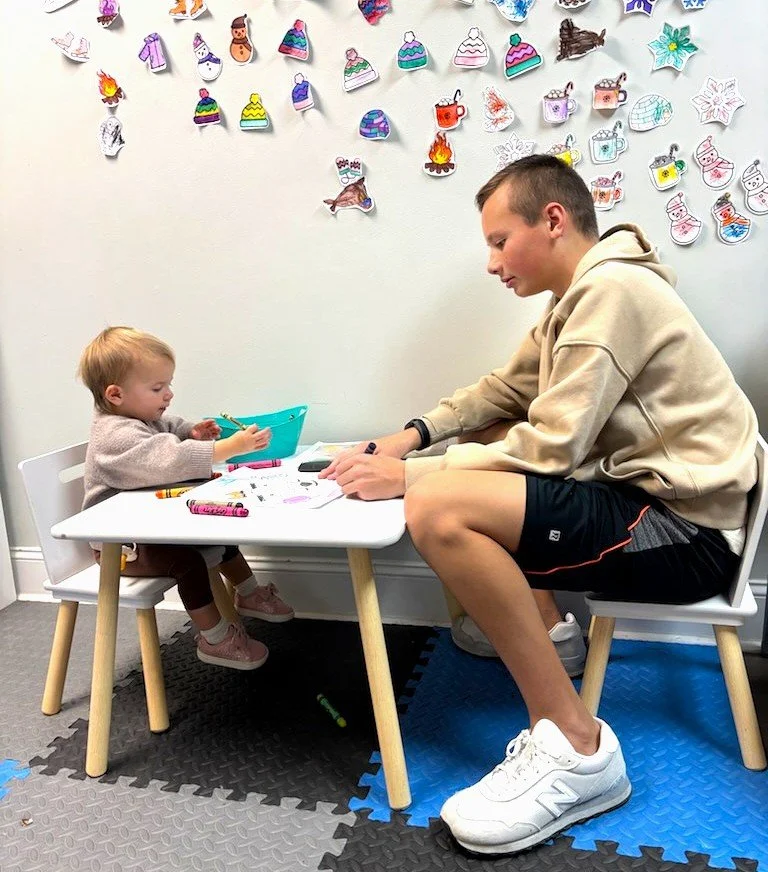
Your child covers their ears in a busy restaurant.
A quick trip to the grocery store turns into a meltdown.
Clothing tags, seams, or certain textures feel unbearable to them.
As a parent, these moments can feel isolating and overwhelming. You may have been told it’s “just behavioral,” that your child is sensitive, or that they’ll simply grow out of it.
But what if your child isn’t overreacting at all?
What if their nervous system is overwhelmed?
Sensory Overload Is More Than a Behavior Issue
If you’re reading this, chances are you’ve watched your child struggle in ways that don’t quite make sense on the surface. You’re not alone.
According to recent data from the CDC, up to 40% of school-aged children now live with at least one chronic health challenge — with sensory processing difficulties becoming increasingly common.
What’s often missed is this important truth:
sensory overload is not a discipline issue or a personality flaw — it’s a nervous system issue.
What’s Actually Happening During Sensory Overload
Think of your child’s nervous system like a busy highway. When traffic flows smoothly, everything works well. But when too many signals come in at once — noise, lights, movement, textures, emotions — the system becomes congested.
When that happens, your child’s brain can’t process sensory input efficiently. Their body goes into protection mode.
This isn’t defiance.
It’s physiology.
The Nervous System: Your Child’s Control Center
Your child’s autonomic nervous system has two main branches:
The Sympathetic System — often called “fight or flight,” responsible for alertness and protection
The Parasympathetic System — often called “rest and digest,” responsible for calm, regulation, and recovery
In a healthy nervous system, these two systems work together fluidly.
But when a child experiences sensory overload frequently, it’s often because their nervous system is stuck in sympathetic dominance — meaning their body stays on high alert even when it’s safe to relax.
This can show up as:
Difficulty sleeping or settling
Digestive discomfort
Emotional dysregulation
Heightened sensitivity to sound, touch, movement, or light
The “Perfect Storm” Behind Sensory Challenges
Sensory processing challenges don’t usually come from one single cause. They often develop from a combination of stressors early in life — what we call The Perfect Storm.
Prenatal Influences
Stress during pregnancy — physical, emotional, or chemical — can influence how a baby’s nervous system develops and processes sensory input.
Birth Experiences
Even uncomplicated births place stress on a baby’s nervous system. Interventions such as C-sections, forceps, vacuum extraction, or prolonged labor can add additional strain, particularly to the upper neck and brainstem where sensory processing pathways are regulated.
Early Childhood Stressors
Illness, frequent infections, antibiotics, sleep disruption, environmental toxins, and early developmental stress can further overwhelm a nervous system that’s still learning how to regulate.
These layers of stress can leave a child’s nervous system working overtime — constantly scanning for threat instead of efficiently processing sensory input.
Signs Your Child May Be Overstimulated
Sensory overload doesn’t look the same in every child, but parents often notice patterns like:
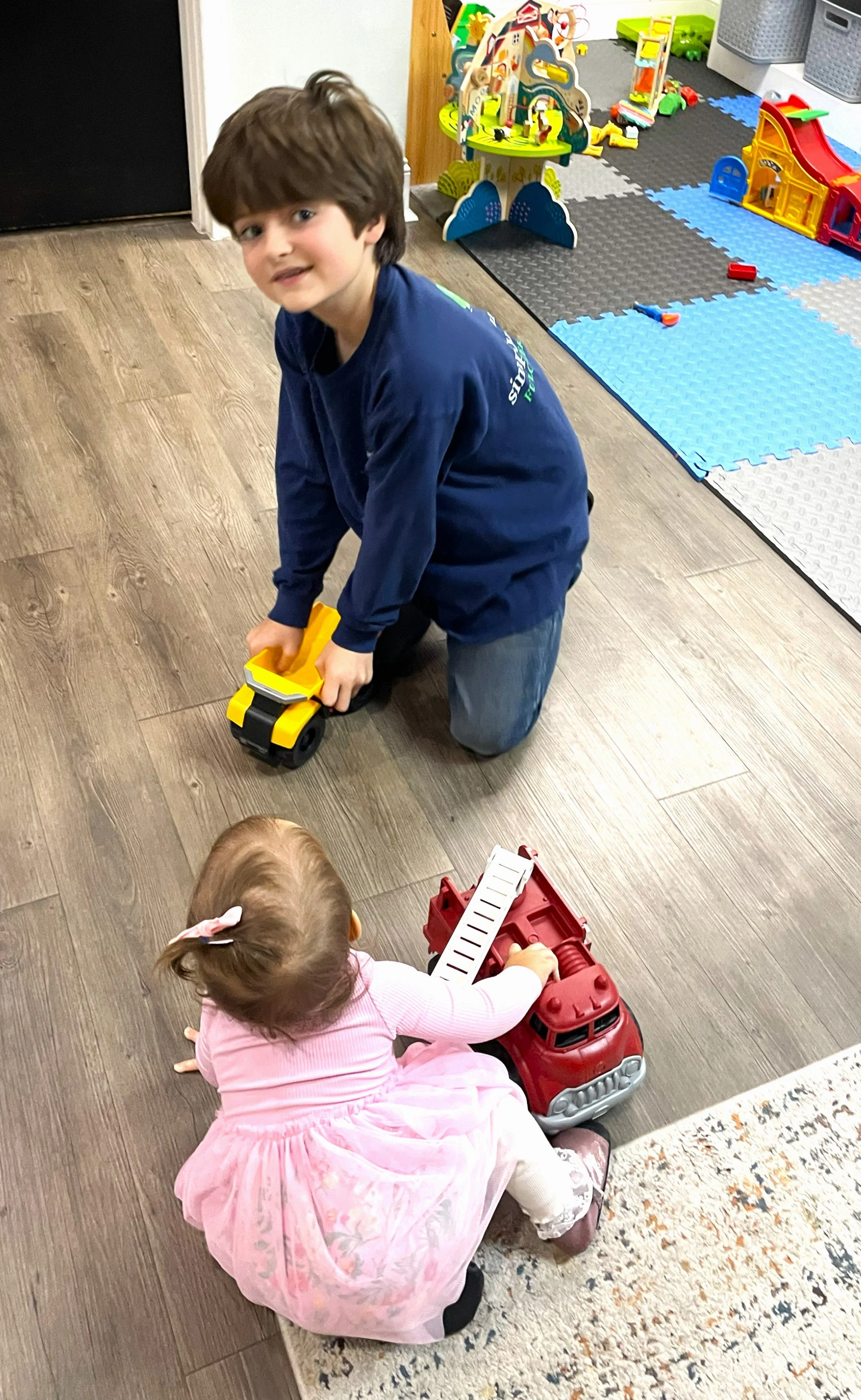
Physical Signs
Headaches
Nausea
Frequent fatigue
Emotional Signs
Increased anxiety
Irritability
Sudden emotional outbursts
Behavioral Signs
Difficulty focusing
Frequent meltdowns
Seeking quiet or withdrawing from stimulation
These are not signs of weakness — they’re signals that your child’s nervous system needs support.
A Different Way to Support Sensory Processing
Traditional approaches often focus on avoiding triggers or managing behaviors. While these strategies can be helpful, they don’t always address why the nervous system is overwhelmed in the first place.
At New Hope Chiropractic, we take a neurologically-focused approach.
Using gentle, non-invasive INSiGHT Scans, we assess how your child’s nervous system is functioning and adapting to stress. These scans can be performed comfortably — even while your child sits in your lap — and provide objective information about nervous system regulation.
From there, gentle, specific chiropractic adjustments are used to help release stored stress, reduce sympathetic overdrive, and support parasympathetic regulation — helping the nervous system shift out of survival mode and into balance.
Moving Forward With Hope
Your child is not choosing to be overwhelmed. Their nervous system is doing the best it can with the information it’s receiving.
The good news?
With the right support, the nervous system has an incredible ability to adapt, regulate, and heal.
You are not alone in this journey — and your child’s sensitivity is not a flaw. With understanding and proper support, many children learn to experience the world with more ease, confidence, and calm.
If you’re not local to us, the PX Docs directory can help you find a neurologically-focused provider near you.
Your child’s nervous system deserves care that looks deeper — and your family deserves answers rooted in understanding and hope. 💛
