
The Missing Link in Childhood Immunity
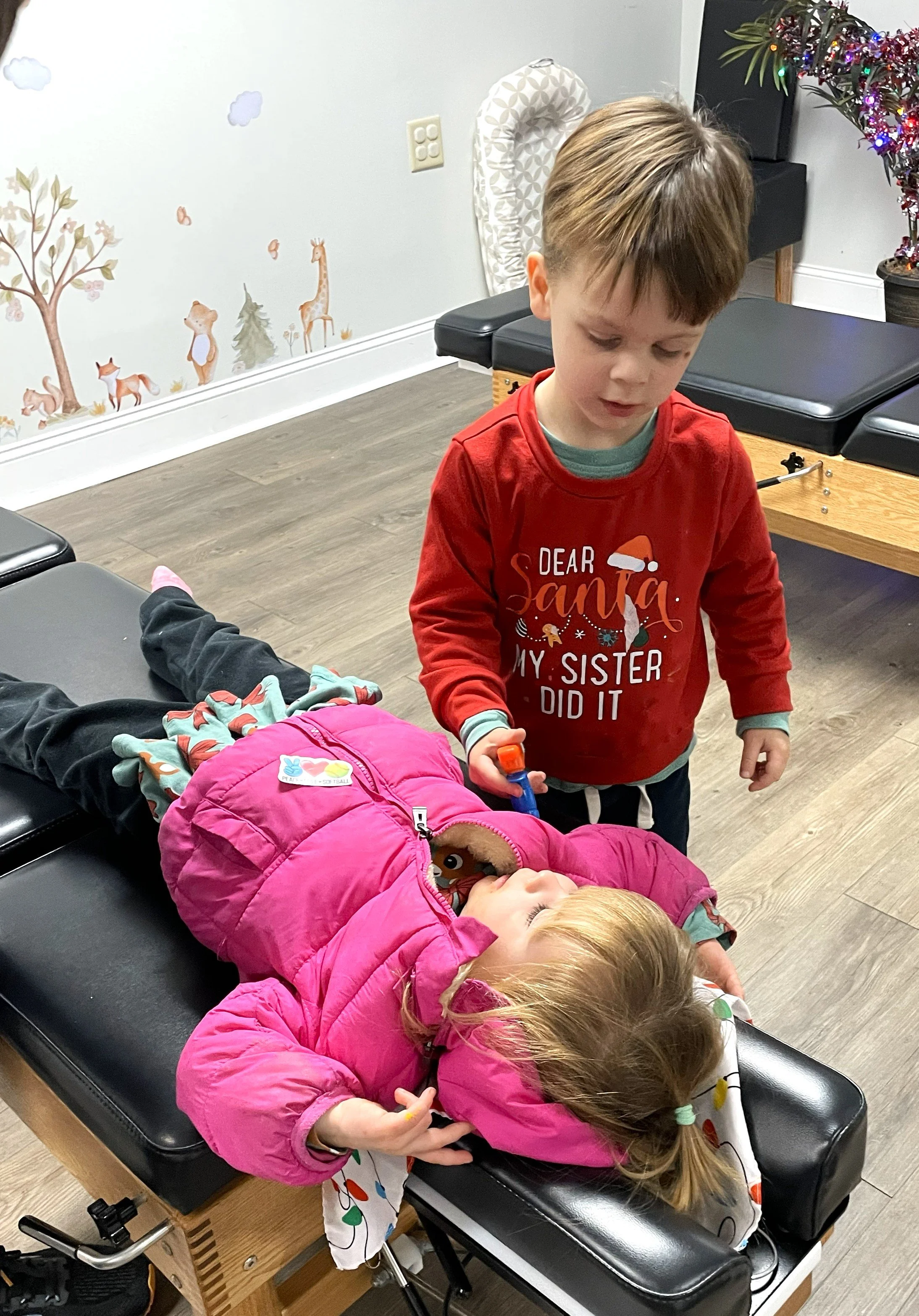
If your child seems to catch every cold, struggle with recurring ear infections, or never fully bounce back after being sick, you’re not alone — and you’re not overreacting.
Many parents find themselves stuck in a frustrating cycle:
Another illness.
Another appointment.
Another round of antibiotics.
A few weeks of relief… then it starts all over again.
And eventually, the question becomes unavoidable:
Why does my child keep getting sick while other kids seem to stay healthy?
The answer isn’t about having a “weak” immune system — it’s about how the immune system is being regulated.
The Conversation Most Parents Never Hear
Your child’s immune system doesn’t work in isolation.
It’s deeply connected to — and directed by — the nervous system and hormonal system. Together, these systems form an integrated network that constantly communicates, adapts, and responds to the environment.
Think of it like a three-legged stool:
One leg is the immune system
One leg is the nervous system
One leg is the hormonal system
If one leg becomes unstable, the whole system struggles to stay balanced. Supporting only one piece without addressing the others often leads to temporary improvements that don’t last.
The nervous system acts as the control center — coordinating immune responses, determining when inflammation turns on, and signaling when it’s time to calm down and recover.
When the nervous system is overwhelmed or stuck in a stress response, immune function can become inconsistent. Some children seem to catch everything, while others develop heightened sensitivities or inflammatory patterns. Many swing between the two.
The difference isn’t effort or parenting — it’s regulation.
The Vagus Nerve: A Key Player in Immune Regulation
One of the most important connections between the nervous and immune systems is the vagus nerve.
The vagus nerve begins in the brainstem and travels through the neck to the heart, lungs, and digestive system — where a large portion of immune activity takes place.
Its role is simple but powerful:
It helps the body turn inflammation on when needed and turn it off when the job is done.
When the vagus nerve is functioning well, the immune response is efficient and self-limiting. The body responds, recovers, and returns to balance.
When vagal communication is disrupted, the immune system can stay activated longer than necessary — making recovery slower and regulation harder.
Why So Many Kids Struggle to “Kick the Sick”
Many children today show signs of a nervous system that’s working overtime.
This can look like:
Frequent illnesses
Digestive struggles
Sleep difficulties
Heightened reactivity
Trouble settling or calming down
Repeated antibiotic use with limited long-term relief
Rather than isolated issues, these patterns often point back to how well the nervous system is coordinating recovery.
It’s less about immune strength — and more about immune regulation.
How Early Stress Can Influence the System
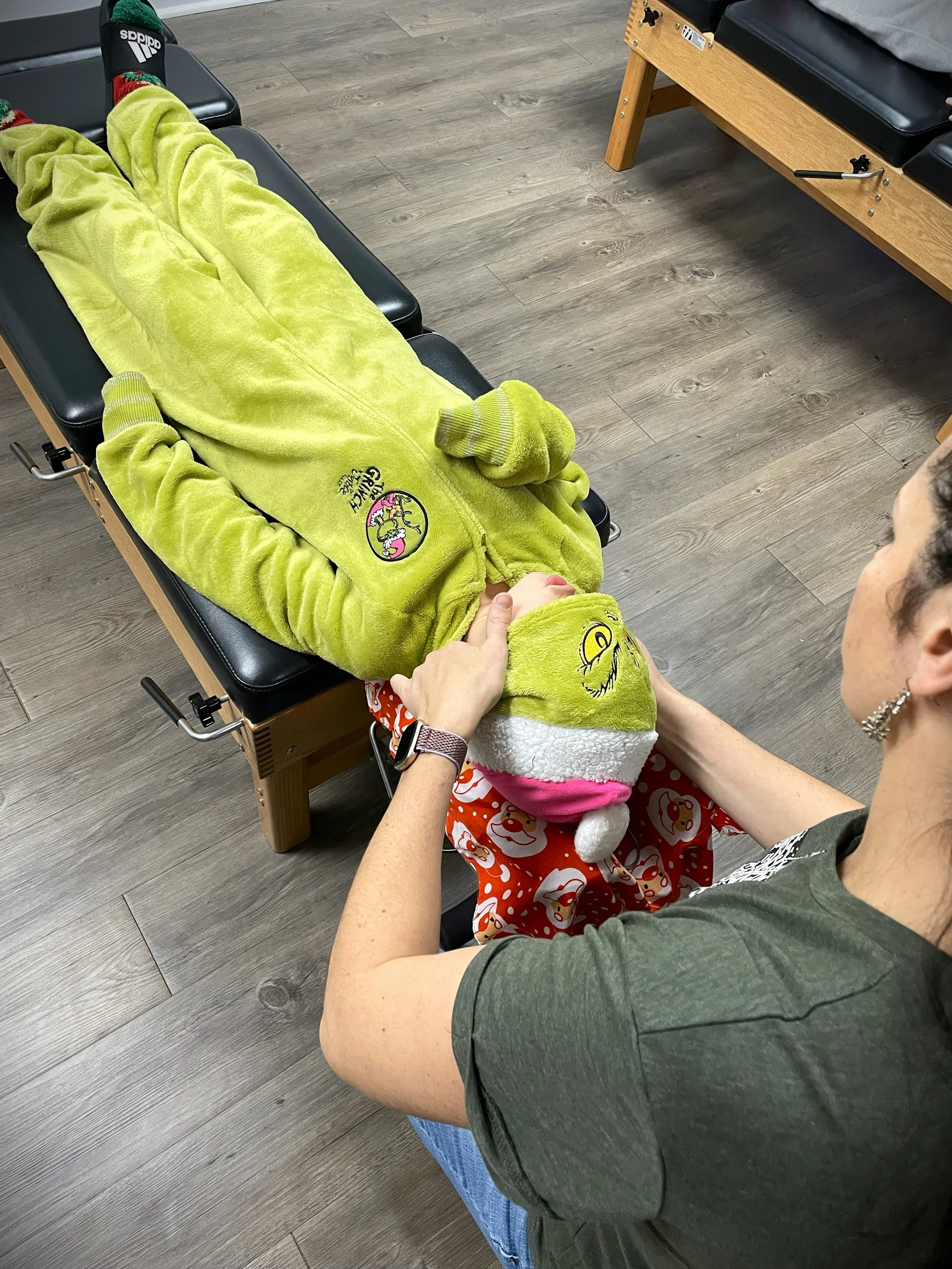
For many kids, these patterns don’t start when school begins — they start much earlier.
Before Birth
Prenatal stress can influence how a developing nervous system learns to respond to the world. This doesn’t mean something went “wrong” — it simply means the system may need additional support later.
Birth
Birth is intense. Long labors, fast labors, inductions, C-sections, or assisted deliveries can place physical stress on a baby’s neck and nervous system during a critical developmental window.
Early Childhood
Colic, reflux, constipation, frequent infections, and early antibiotic exposure can add layers of stress to a system that’s still learning how to regulate.
Over time, these stressors can compound — what we often refer to as The Perfect Storm — creating patterns that persist unless the underlying regulation improves.
Why “Just Supporting Immunity” Sometimes Plateaus
Many families do all the right things:
Nutrition
Supplements
Gut support
Lifestyle changes
These supports matter — but they often plateau if the nervous system remains overwhelmed.
It’s like strengthening the immune response while the communication system directing it is struggling.
When regulation improves at the nervous system level, the body is often better able to use the tools families are already providing.
A Different Way to Support Your Child’s Health
At New Hope Chiropractic, we focus on how the nervous system is functioning — not just on symptoms.
Using gentle, neurologically-focused care and objective assessments like INSiGHT Scans, we look for areas of stress or tension that may be interfering with communication between the brain and body.
Our goal is to support the nervous system’s ability to regulate — including immune responses — so your child’s body can adapt, recover, and function more efficiently.
Parents often notice changes such as:
Improved resilience after illness
Fewer prolonged recovery periods
Better digestion and sleep
A calmer, more regulated baseline
Not because we “treat” immune issues — but because the system that coordinates healing is working more clearly.
You’re Asking the Right Questions
If you’ve been told your child will “grow out of it,” but your instincts tell you there’s more going on — trust that.
Recurring illness isn’t something parents should simply accept without understanding. Your child deserves a thoughtful evaluation and a provider who looks at the full picture.
At New Hope Chiropractic, we believe supporting the nervous system is a key piece of long-term health and resilience — and we’d love to help your family explore that path. Start here!
If you’re not local to Charleston, we’re happy to help you find a neurologically-focused office near you.
Your child’s body already has the capacity to adapt and heal.
Sometimes it simply needs the right support to do what it was designed to do. 💛
